Clinic on Wheels Punjab 2025 – How Mobile Clinics Are Revolutionizing Urban Healthcare

What happens when getting to a doctor feels impossible? Thousands of Punjab’s urban residents face this daily struggle. Long queues at hospitals eat away precious work hours. Transportation costs add up quickly for families already on tight budgets. The Clinic on Wheels initiative is changing this reality by bringing healthcare directly to neighborhoods that need it most.
Visit Now: Clinic on Wheels Punjab 2025
| Category | Details |
| Services Offered | Primary healthcare, diagnostics, maternal care, vaccinations, chronic disease management, health screenings |
| Target Population | Low-income urban communities, industrial workers, women, children, elderly citizens, underserved neighborhoods |
| Operating Model | Scheduled routes in densely populated areas, stationed at fixed points daily, equipped with medical staff and basic equipment |
| Key Benefits | Reduces travel time and costs, increases healthcare accessibility, provides doorstep medical services, decreases hospital burden |
| Technology Integration | Digital health records, telemedicine consultations, mobile apps for scheduling, online prescription management, GPS tracking |
| Impact Metrics | Number of patients served daily, areas covered, reduction in hospital overcrowding, patient satisfaction rates, cost savings for families |
What is Clinic on Wheels Punjab 2025?
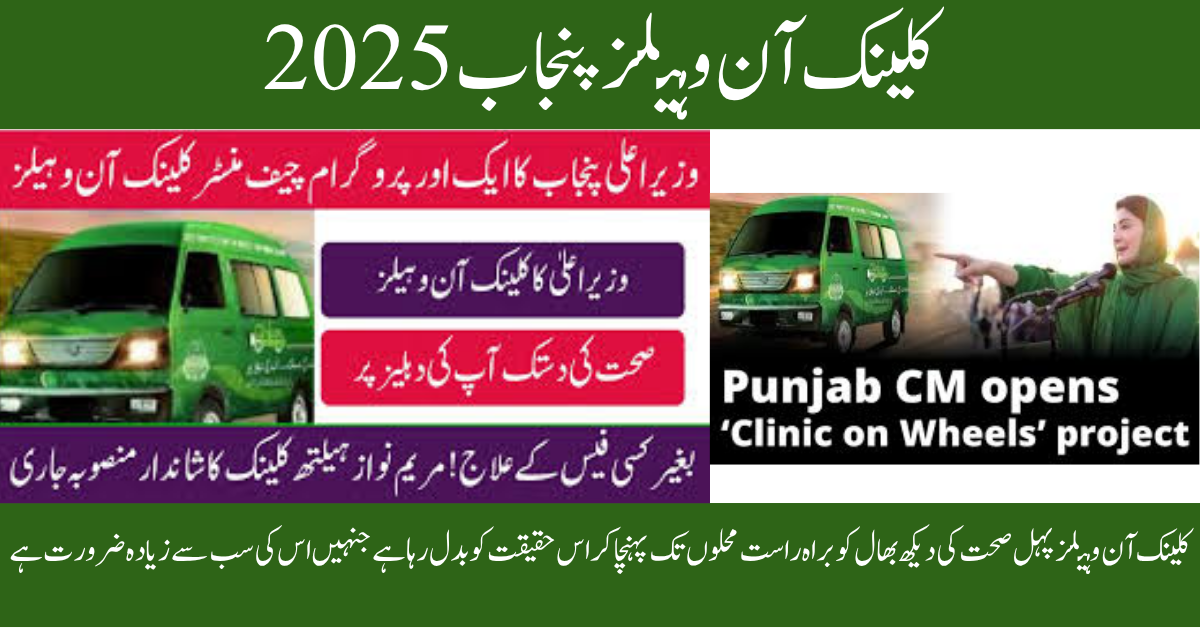
Clinic on Wheels Punjab 2025 is a mobile healthcare initiative launched by the Punjab government. These are fully equipped medical vans that travel to different neighborhoods across urban areas. The program brings doctors, nurses, and essential medicines directly to communities that lack easy access to hospitals.
The mobile clinics operate on fixed schedules and visit designated locations regularly. Each van functions as a mini-hospital offering consultations, basic diagnostics, and treatments. This innovative approach ensures that quality healthcare reaches every corner of Punjab’s cities without patients having to travel long distances.
The Vision Behind Mobile Healthcare Initiative
Bridging the Healthcare Gap
The primary vision is to eliminate healthcare disparities in urban Punjab. Many low-income neighborhoods lack nearby medical facilities and affordable treatment options. Mobile clinics aim to ensure that every citizen receives quality healthcare regardless of their location or economic status.
Preventive Care for Healthier Communities
The initiative focuses on preventing diseases before they become serious health crises. Regular mobile clinic visits encourage people to get routine checkups and early screenings. This proactive approach reduces the burden on major hospitals while promoting a culture of preventive healthcare across Punjab.
Impact on Women’s and Children’s Health
Maternal Health Services at Your Doorstep
Pregnant women in underserved areas now receive regular prenatal checkups without traveling far. Mobile clinics provide essential screenings, nutritional guidance, and pregnancy monitoring services. This accessibility has significantly reduced maternal complications and improved safe delivery rates across urban Punjab.
Vaccination Coverage for Every Child
Childhood immunization programs have reached new heights through mobile healthcare units. Parents no longer miss vaccination schedules due to distance or inconvenience. These clinics ensure that every child receives timely vaccines, protecting them from preventable diseases.
Early Detection Saves Lives
Women can now access breast cancer screenings and reproductive health services in their own neighborhoods. Early detection programs have identified health issues that would have gone unnoticed otherwise. Regular checkups mean problems are caught and treated before becoming life-threatening conditions.
Mobile clinics have become safe spaces where women feel comfortable discussing health concerns. Female doctors and staff create an environment of trust and understanding. This cultural sensitivity has encouraged more women to seek medical help for issues they previously ignored.
Nutrition and Growth Monitoring for Children
Children receive regular growth assessments and nutritional counseling through mobile health camps. Malnutrition cases are identified early and addressed with proper dietary plans. These interventions ensure that children develop healthily and reach their full potential.
Postpartum care has dramatically improved with mobile clinics visiting new mothers at home. Women receive guidance on infant care, breastfeeding, and their own recovery needs. This continuous support reduces postpartum complications and infant mortality rates.
Breaking Cultural Barriers to Healthcare
Many women face restrictions on traveling alone to distant hospitals and clinics. Mobile healthcare brings medical services to their communities, eliminating this barrier. The result is increased healthcare utilization among women who were previously underserved.
Children with chronic conditions like asthma or diabetes now get consistent follow-up care. Regular monitoring helps manage these conditions effectively and prevents emergency situations. Families save money while children maintain better health and attend school regularly.
Government Support and Funding Structure
The Punjab government has allocated substantial funds from the provincial health budget to sustain this mobile healthcare program. Additional financial support comes through partnerships with international health organizations and NGOs. The initiative also receives backing from the Prime Minister’s Health Program, ensuring long-term sustainability and expansion of services across urban areas.
Conclusion
Punjab’s mobile healthcare initiative sets an example for other regions to follow. When healthcare comes to the people, everyone wins. The future of urban healthcare in Pakistan looks brighter, one mobile clinic at a time.
visit Now: Clinic on Wheels Punjab 2025
Frequently Asked Question
What services are available at Clinic on Wheels?
Mobile clinics offer primary healthcare consultations, basic diagnostic tests, vaccinations, maternal care, chronic disease management, and free or subsidized medicines for common ailments.
How can I find out when the mobile clinic visits my area?
You can check the schedule through the official Punjab Health Department website, mobile app, or by contacting your local health office. Clinics follow fixed routes and timings for each neighborhood.
Are the services free or do I have to pay?
Most basic services including consultations and common medicines are provided free of charge. Some specialized tests may have minimal fees, but they’re significantly cheaper than private clinics.
Who can use the mobile clinic services?
The services are open to all residents, but priority is given to low-income families, women, children, elderly citizens, and people living in underserved urban areas.
What should I bring when visiting a mobile clinic?
Bring any previous medical records if available, your CNIC or identification card, and a list of current medications you’re taking. For children, bring their vaccination cards.