
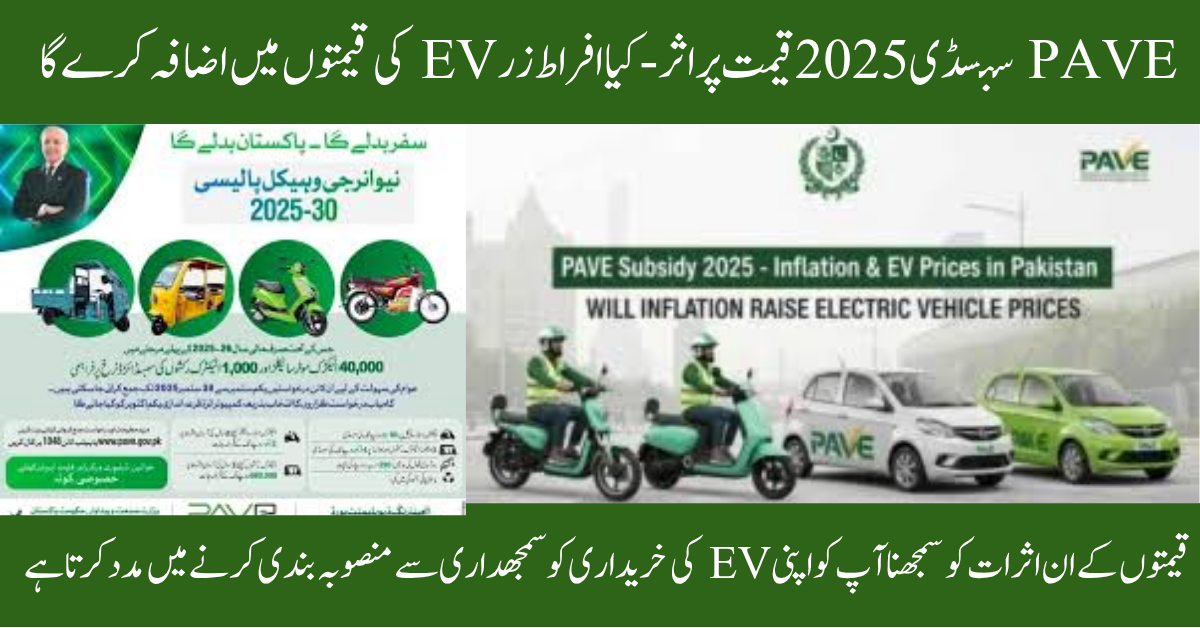
PAVE Subsidy 2025 Price Impact – Will Inflation Raise EV Prices?

Are electric vehicles slipping out of your budget just when you decided to buy one? The PAVE subsidy promised to make EVs affordable for average families. Now inflation threatens to erase those savings before you can benefit. Rising costs affect battery prices, shipping, and manufacturing expenses. Your dream of owning an eco-friendly car feels further away each month. The subsidy amount stays fixed while everything else gets more expensive. Will government incentives still matter when dealer prices keep climbing? Understanding these price impacts helps you plan your EV purchase wisely.
Also read :PAVE Subsidy 2025 Price Impact – Will Inflation Raise EV Prices?
Understanding the PAVE Subsidy: How 2025 Inflation Could Affect Electric Vehicle Costs
The PAVE subsidy helps make electric vehicles more affordable for buyers. It provides financial support to reduce the upfront cost of EVs. In 2025, inflation is affecting prices across all industries. This includes the electric vehicle market. Battery materials like lithium and cobalt are getting more expensive. Manufacturing costs are also rising due to higher wages and energy prices.
Many buyers wonder if subsidies will keep EVs affordable. Inflation could reduce the real value of subsidy benefits. Car manufacturers may pass increased costs to consumers. However, government support still makes a significant difference. The PAVE subsidy can offset some inflationary pressures. Buyers should compare total costs including subsidies and long-term savings.
The Real Cost of Going Electric: PAVE Subsidies and Inflation in 2025
Breaking Down Electric Vehicle Costs
Going electric involves more than just the sticker price. The PAVE subsidy can lower your initial purchase cost significantly. However, 2025 inflation is pushing vehicle prices higher across the board. Electric vehicles use expensive battery technology that’s sensitive to material costs. Lithium, nickel, and cobalt prices fluctuate with global demand. Manufacturing expenses have also increased due to supply chain challenges. These factors combine to create upward pressure on EV pricing.
How Subsidies Help Counter Rising Prices
The PAVE subsidy acts as a financial buffer for EV buyers. It directly reduces the amount you pay at the dealership. In 2025, this support is more important than ever before. Inflation may eat into your purchasing power for traditional expenses. However, federal subsidies maintain their dollar value for qualified purchases. Long-term savings on fuel and maintenance also offset higher initial costs. Smart buyers calculate total ownership costs over five to ten years.
Breaking Down the PAVE Subsidy: Will 2025 Inflation Increase Your EV Purchase Price?
The PAVE subsidy program is changing how Americans buy electric vehicles. Understanding this program helps you make smarter purchasing decisions. In 2025, economic conditions are creating new challenges for EV buyers. Inflation affects everything from raw materials to final prices. This guide breaks down what you need to know.
What Is the PAVE Subsidy?
PAVE stands for a federal initiative supporting electric vehicle adoption. The subsidy provides direct financial assistance to qualified buyers. You can receive thousands of dollars off your EV purchase. This program aims to make clean transportation more accessible. Different vehicles qualify for different subsidy amounts based on specifications.
How Inflation Impacts EV Manufacturing
Rising inflation directly affects vehicle production costs in 2025. Battery materials like lithium have become more expensive globally. Labor costs are increasing as manufacturers compete for skilled workers. Energy prices impact factory operations and transportation expenses. These rising costs often get passed down to consumers.
Battery Technology and Price Pressures
Batteries represent the most expensive component of any electric vehicle. Supply chain disruptions have made battery materials harder to source. Manufacturers are paying premium prices for essential raw materials. New battery technologies require significant research and development investment. These factors contribute to higher base prices for EVs.
The Real Value of PAVE Subsidies
Federal subsidies maintain their dollar value despite inflation pressures. A $7,500 subsidy still reduces your purchase price by that amount. This fixed benefit becomes more valuable as vehicle prices rise. The subsidy effectively shields buyers from some inflationary impacts. Your actual out-of-pocket cost depends on the final negotiated price.
Comparing 2024 and 2025 EV Prices
Many electric vehicle models have seen price increases year over year. Inflation has added several thousand dollars to average EV costs. However, improved technology and range often justify higher prices. Some manufacturers are absorbing costs to remain competitive in the market. Price variations depend heavily on brand and model selection.
Long-Term Savings Beyond Purchase Price
Electric vehicles offer substantial savings over their lifetime of use. You’ll spend far less on fuel compared to gasoline vehicles. Maintenance costs are lower because EVs have fewer moving parts. Insurance rates are becoming more competitive as EVs gain popularity. These ongoing savings can offset higher initial purchase prices within years.
Making Smart Buying Decisions in 2025
Calculate your total cost of ownership before making a decision. Factor in the PAVE subsidy along with state and local incentives. Consider your driving habits and charging infrastructure access at home. Compare multiple models and negotiate prices with different dealerships. Inflation makes timing important, but rushing leads to poor choices.
Will You Pay More for EVs in 2025? PAVE Subsidies and Inflation Explained
Electric vehicle prices are influenced by multiple economic factors in 2025. Inflation has increased manufacturing costs across the automotive industry. Battery materials and labor expenses have risen significantly this year. Many EV models now carry higher price tags than before. However, the PAVE subsidy helps reduce your final payment amount. Understanding both forces helps you plan your EV purchase budget.
Conclusion
The PAVE subsidy remains a valuable tool for making electric vehicles affordable in 2025. While inflation has pushed EV prices higher, federal support helps offset these increases. Smart buyers should look beyond the sticker price to see the complete picture. Calculate your total costs including subsidies, fuel savings, and maintenance reductions. The transition to electric driving still makes financial sense for many households. Rising prices shouldn’t discourage you from exploring EV options. Take time to research available models and incentives in your area. Compare offers from multiple dealerships to find the best deal possible. The combination of PAVE subsidies and long-term savings makes EVs a practical choice. Your decision should balance current affordability with future economic benefits. Going electric in 2025 requires careful planning but offers real rewards.
Frequently Asked Question
What is the PAVE subsidy and how much can I save?
The PAVE subsidy is a federal program that provides financial assistance for electric vehicle purchases. Eligible buyers can receive up to $7,500 off their EV purchase price.
Has inflation increased electric vehicle prices in 2025?
Yes, inflation has driven up EV prices due to higher costs for batteries, materials, and manufacturing. Most models now cost several thousand dollars more than in previous years.
Will the PAVE subsidy cover the inflation-related price increases?
The subsidy helps offset some inflation impacts but may not cover the entire price increase. However, it still provides significant savings and maintains its full dollar value.
Are EVs still worth buying despite higher 2025 prices?
Yes, EVs remain a smart investment when you consider long-term savings on fuel and maintenance. The PAVE subsidy combined with operational savings can offset higher purchase prices over time.
How can I maximize my savings when buying an EV in 2025?
Research all available federal, state, and local incentives before purchasing. Compare prices across dealerships, consider total ownership costs, and time your purchase to take advantage of current subsidy programs.